
Blog
The Total Cost of Relocation
Can you provide some ball-park costs associated with relocating our company? We’re concerned that these secondary costs may get out of hand. You have a right to be concerned. I am always surprised at the companies that will negotiate the price of their new facility down to the last dollar, without...

Negotiation Tactics for the Seller
We have received an offer on our 16,000 square foot industrial building. What are our next negotiating steps? Fundamental to any successful negotiation is thorough preparation – this is the work that needs to be done before a counter-offer is made. Entire books have been written about the art of...
Lease Escalations
What is a fair rent increase in a commercial lease? My firm is negotiating a lease on an industrial building, and the landlord is asking for a 4% escalation every year. Is there a standard rent increase for industrial leases? There are no standard or published lease escalations. Escalation terms...
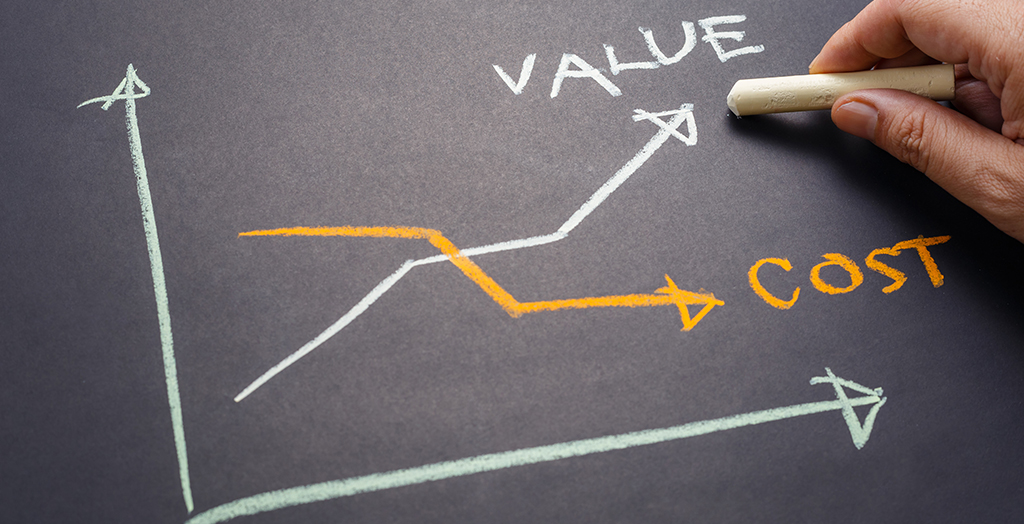
Location, Location, Location?
We want to purchase an industrial building to house our growing import and distribution business. I have heard that the three most important criteria in selecting real estate are “location, location, and location.” What other criteria would you suggest? In working with our clients, we break down...

Evaluating the Buyer
We are selling an industrial building and have multiple offers that are very close. Besides price, how else would you evaluate the offers in making a final decision? This has been a common occurrence on Long Island in the last few years (and frustrating for buyers) as increasing demand has chased...

Six Essential Rules for Closing Deals
We are trying to buy an industrial building for our distribution business. We have lost two deals in a row, and are getting frustrated. I’m wondering what suggestions you might have to actually close a deal once you have found the property you want. Entire books have been written about the art of...
Buy or Lease?
Everyone seems to think that we should buy, not lease, our next building. What is the best way to make this decision? While every case is different, there are certain underlying factors that drive the best decision in most buy-lease scenarios. These factors are the availability of capital, the...
Renew or Move?
We lease approximately 7,000 square feet of office space for our law firm. The space works well and is in a good location for our employees. Our lease expires in a year, and we have an option to renew. Is it really worth the effort to consider moving? My answer is a resounding yes, if for no other...

Environmental Reports
We have made an offer to purchase a building. Our broker insisted that it made "subject to environmental." What exactly does that mean? When purchasing any real estate, one of the most critical items to research is the environmental condition of the property. There are several critical reasons...
Sale-Leasebacks
What would be the advantage of selling our manufacturing plant and leasing it back, as opposed to just refinancing the building? There are several advantages to selling your property to a third party and simultaneously executing a long term net lease to occupy the building. As you are probably...